

Music Therapy in Maryland
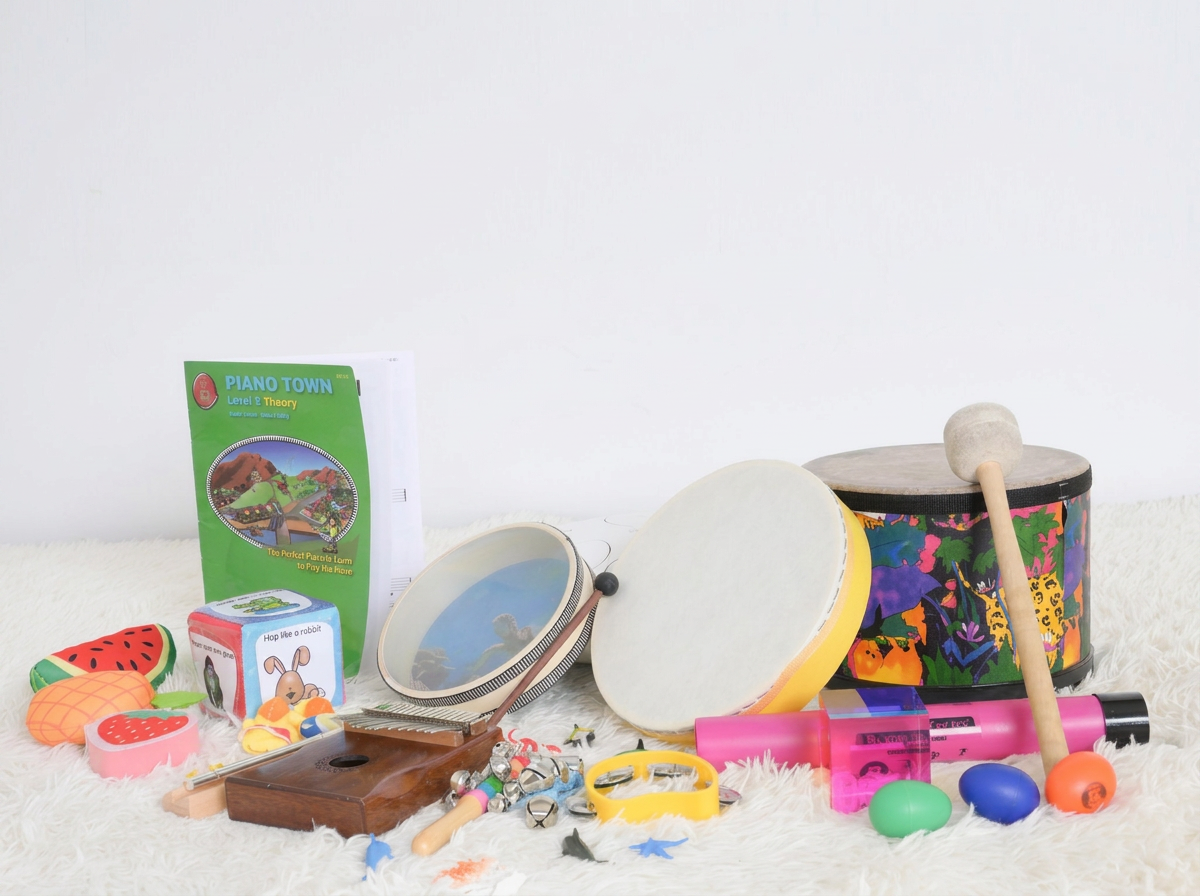
Safe and Sound Music Therapy provides individualized piano, guitar and voice lessons as well as, neurodivergent-friendly and mental health based music therapy in Maryland. Services are designed for children and adults and are tailored to each client’s strengths, interests, needs, and goals.
Frequently asked Questions
What is Music Therapy? Who is it for?
Our Services
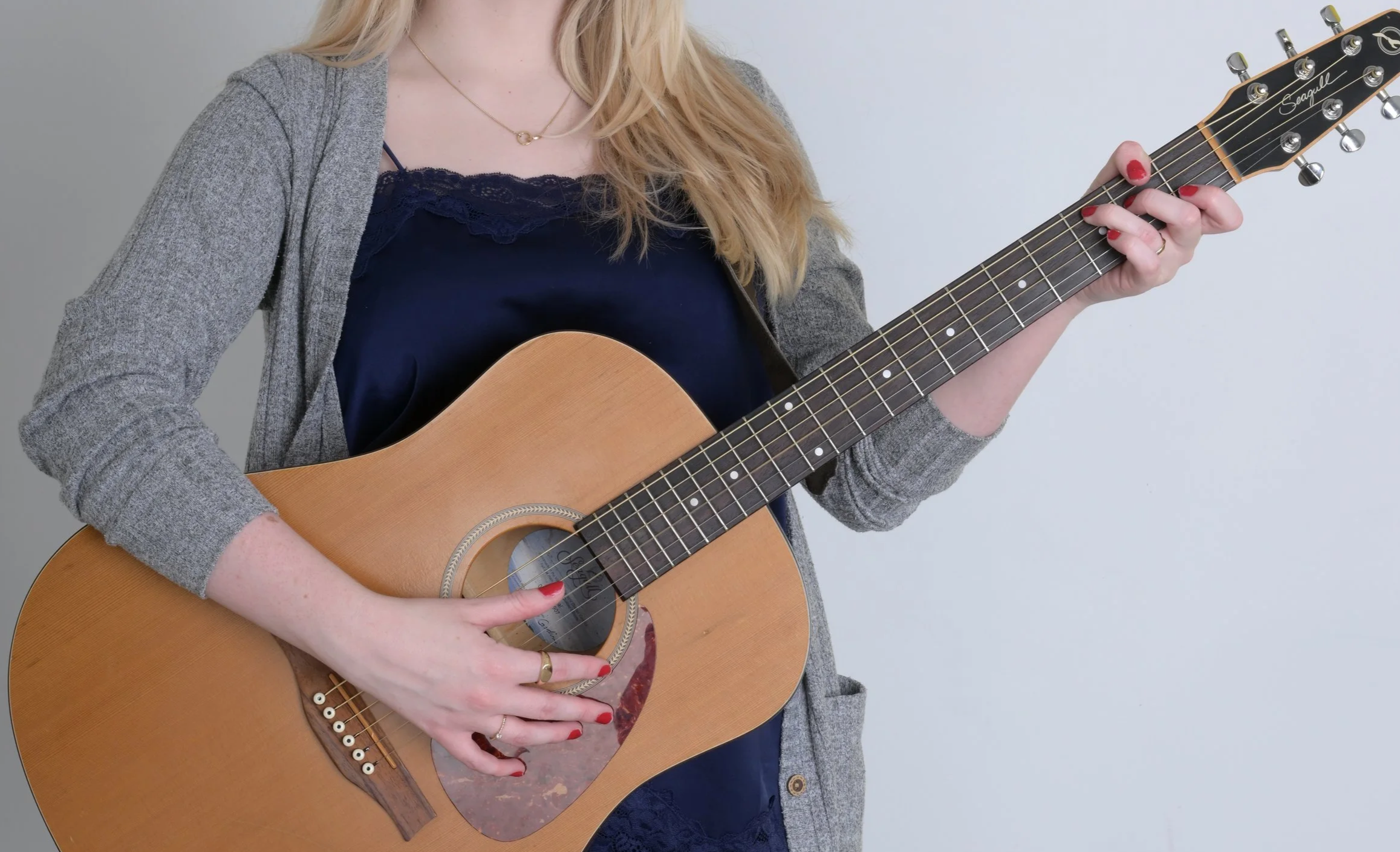
Music lessons provide individualized instruction in piano, voice, guitar, and other musical skills based on each learner’s interests, experience, and goals. Lessons focus on building musical confidence, technique, creativity, and enjoyment in a supportive and encouraging environment.
Older adult music therapy uses individualized, evidence-based music experiences to support cognitive, emotional, social, and physical well-being. Sessions may include familiar songs, singing, instrument playing, movement, reminiscence, and other music-based activities to encourage connection, self-expression, engagement, memory, and quality of life.
Adapted music lessons provide individualized, neurodivergent-friendly instruction tailored to each learner’s strengths, interests, communication style, sensory needs, physical abilities, and learning preferences. Lessons use flexible teaching strategies and creative supports to make learning music accessible, enjoyable, and meaningful.
Teen and adult music therapy uses individualized, evidence-based music experiences to support emotional, cognitive, social, sensory, and physical goals. Sessions may include preferred music, songwriting, instrument playing, improvisation, movement, and discussion to support self-expression, emotional regulation, confidence, connection, coping skills, and overall well-being.
Pediatric music therapy uses individualized, evidence-based music experiences to support each child’s unique strengths, needs, interests, and goals. Sessions may include singing, instrument playing, movement, musical games, and creative expression to support areas such as communication, emotional regulation, social connection, motor development, attention, confidence, and overall well-being.
Group music therapy uses shared, evidence-based music experiences to support connection, communication, self-expression, participation, and emotional well-being. Sessions may include singing, instrument playing, movement, musical games, improvisation, and collaborative activities designed around the needs and goals of the group.